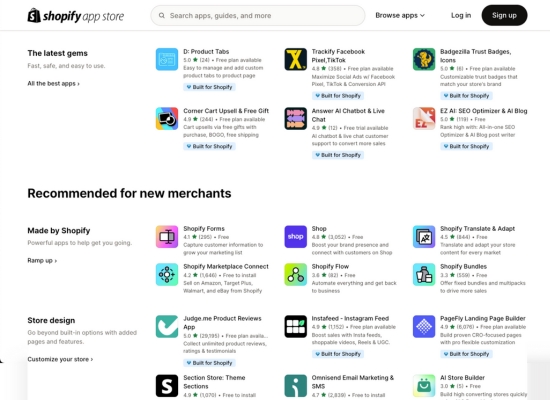
Shopify's App Store represents one of the most lucrative opportunities for programmers to build profitable micro-SaaS products. With over 1.7 million merchants worldwide and a proven willingness to pay for solutions that increase sales or save time, the Shopify ecosystem offers a clear path to recurring revenue.
Unlike building a standalone SaaS where you need to solve the distribution problem, Shopify provides built-in discovery through their App Store, integrated billing, and a marketplace of businesses actively looking for solutions.
This comprehensive guide will take you from initial idea to a profitable Shopify app, covering everything from market research to technical implementation to marketing strategies that actually work.
Why Shopify Apps Are a Goldmine for Programmers
The Numbers Don't Lie
- Market Size: Shopify powers over 1.7M businesses with a combined GMV of $197+ billion annually
- App Store Reach: 8,000+ apps with top apps generating $500K+ monthly
- Merchant Spending: Average merchant spends $200-500/month on apps
- Growth Rate: Shopify Plus (enterprise) merchants often spend $2K-10K monthly on apps
Built-in Advantages
- Distribution Solved: Shopify App Store gets millions of visits from merchants actively looking for solutions
- Billing Handled: Shopify processes payments and handles subscription management
- Target Market: E-commerce businesses understand the value of tools that increase revenue
- Integration Platform: Rich APIs and webhooks for deep platform integration
- Global Reach: Merchants worldwide, multi-currency support built-in
Why Now Is the Perfect Time
- Shopify Plus Growth: Enterprise segment growing 50%+ annually
- Post-Pandemic E-commerce: More businesses online than ever before
- API Improvements: GraphQL Admin API and new Shopify Functions make development easier
- Partner Program: Comprehensive support for app developers
- Market Gaps: Many categories still underserved or dominated by legacy solutions
Understanding the Shopify Ecosystem
Types of Shopify Apps
- Public Apps: Listed in App Store, available to all merchants, generate most revenue
- Custom Apps: Built for specific merchants, good for testing concepts
- Private Apps: Deprecated, replaced by custom apps
- Draft Apps: Development/testing phase before submission
Key Technologies You'll Use
Frontend:
- React with Shopify Polaris (Shopify's design system)
- Shopify App Bridge for embedded app experience
- GraphQL for efficient data fetching
Backend:
- Node.js with Express or Koa
- Ruby on Rails (Shopify's original stack)
- Python with Django or FastAPI
- PHP with Laravel
Database & Hosting:
- PostgreSQL or MySQL for relational data
- Redis for caching and session management
- AWS, Google Cloud, or Heroku for hosting
- Shopify's hosting requirements for production apps
Shopify's Architecture
- Admin API: Manage store data (products, orders, customers)
- Storefront API: Build custom shopping experiences
- Webhooks: Real-time notifications for store events
- App Proxy: Serve content on the merchant's storefront
- Script Tag API: Add JavaScript to merchant storefronts
- Metafields: Store custom data on Shopify resources
Proven App Categories That Generate Revenue
1. Marketing & Sales Apps
- Why They Work: Directly impact merchant revenue, easy ROI calculation
- Average Pricing: $15-299/month
- Top Performers: Email marketing, upselling, abandoned cart recovery
2. Inventory & Operations
- Why They Work: Save time and reduce errors, critical for scaling businesses
- Average Pricing: $29-199/month
- Top Performers: Inventory sync, order management, shipping automation
3. Customer Experience
- Why They Work: Improve conversion rates and customer satisfaction
- Average Pricing: $9-99/month
- Top Performers: Reviews, wishlists, loyalty programs
4. Analytics & Reporting
- Why They Work: Help merchants make data-driven decisions
- Average Pricing: $19-149/month
- Top Performers: Profit analytics, customer insights, marketing attribution
5. Design & User Experience
- Why They Work: Improve store appearance and functionality
- Average Pricing: $4.99-49/month
- Top Performers: Page builders, product customizers, search improvements
Real Examples: Successful Apps and Their Revenue Models
High-Revenue Success Stories
1. Klaviyo (Email Marketing)
- Category: Marketing automation
- Pricing: $20-1,700+/month based on contact volume
- Why It Works: Advanced segmentation, high ROI for merchants
- Estimated Revenue: $500M+ annually
- Key Feature: Predictive analytics for email campaigns
2. Gorgias (Customer Support)
- Category: Help desk integration
- Pricing: $10-750/month based on tickets
- Why It Works: Integrates order data with support tickets
- Estimated Revenue: $50M+ annually
- Key Feature: E-commerce specific support automation
3. Oberlo (Dropshipping - Acquired by Shopify)
- Category: Inventory sourcing
- Pricing: Free + paid tiers
- Why It Works: Solved major pain point for dropshippers
- Acquisition: $15M+ (estimated)
- Key Feature: One-click product imports from suppliers
Mid-Tier Revenue Generators
1. Bold Upsell (Sales Optimization)
- Category: Conversion optimization
- Pricing: $9.99-79.99/month
- Key Feature: Post-purchase upsells and cross-sells
- Why It Works: Directly increases average order value
2. Privy (Email Capture)
- Category: Email marketing
- Pricing: Free-$75/month
- Key Feature: Exit-intent popups and email capture
- Why It Works: Proven to increase email list growth
3. Smile.io (Loyalty Program)
- Category: Customer retention
- Pricing: Free-$599/month
- Key Feature: Points, rewards, and referral programs
- Why It Works: Increases customer lifetime value
Simpler Apps with Solid Revenue
1. TrustPilot (Reviews)
- Category: Social proof
- Pricing: Free-$299/month
- Key Feature: Review collection and display
- Why It Works: Social proof increases conversions
2. Searchanise (Site Search)
- Category: User experience
- Pricing: Free-$35/month
- Key Feature: Advanced product search with filters
- Why It Works: Better search = higher conversions
3. Currency Converter Plus (Localization)
- Category: International sales
- Pricing: $9.99/month
- Key Feature: Real-time currency conversion
- Why It Works: Essential for global merchants
20+ Realistic App Ideas You Can Build
Beginner-Friendly Apps (MVP in 2-4 weeks)
1. Smart Product Badge Generator
- What: Automatically generate and display badges (Sale, New, Limited Stock) on product images
- Why: Increases urgency and conversion rates
- Technical Complexity: Low
- Revenue Potential: $2K-5K MRR
2. Review Reminder Automation
- What: Automatically email customers requesting reviews after delivery
- Why: Increases review collection rate by 300%+
- Technical Complexity: Low
- Revenue Potential: $3K-8K MRR
3. Inventory Low Stock Alerts
- What: Send alerts when products reach low stock thresholds
- Why: Prevents stockouts and lost sales
- Technical Complexity: Low
- Revenue Potential: $2K-6K MRR
4. Order Note Enhancer
- What: Custom fields and templates for order notes and special instructions
- Why: Improves order processing and customer communication
- Technical Complexity: Low
- Revenue Potential: $1K-4K MRR
5. Shipping Calculator Widget
- What: Real-time shipping cost calculator on product pages
- Why: Reduces cart abandonment due to unexpected shipping costs
- Technical Complexity: Medium
- Revenue Potential: $3K-7K MRR
Intermediate Apps (MVP in 4-8 weeks)
6. AI Product Description Generator
- What: Generate SEO-optimized product descriptions using AI
- Why: Saves time and improves search rankings
- Technical Complexity: Medium
- Revenue Potential: $5K-15K MRR
7. Smart Bundle Builder
- What: AI-suggested product bundles based on purchase history
- Why: Increases average order value by 20-30%
- Technical Complexity: Medium
- Revenue Potential: $4K-12K MRR
8. Customer Segmentation Tool
- What: Automatically segment customers based on behavior and purchase patterns
- Why: Enables targeted marketing campaigns
- Technical Complexity: Medium
- Revenue Potential: $6K-18K MRR
9. Profit Margin Calculator
- What: Real-time profit analysis with cost tracking
- Why: Helps merchants optimize pricing strategies
- Technical Complexity: Medium
- Revenue Potential: $3K-10K MRR
10. Return/Exchange Portal
- What: Self-service returns with automated workflows
- Why: Reduces customer service workload
- Technical Complexity: Medium-High
- Revenue Potential: $5K-20K MRR
Advanced Apps (MVP in 8-16 weeks)
11. AI-Powered Demand Forecasting
- What: Predict future demand based on historical data and trends
- Why: Optimizes inventory levels and reduces waste
- Technical Complexity: High
- Revenue Potential: $10K-50K+ MRR
12. Multi-Channel Inventory Sync
- What: Sync inventory across Shopify, Amazon, eBay, and other platforms
- Why: Prevents overselling and saves time
- Technical Complexity: High
- Revenue Potential: $8K-25K MRR
13. Advanced Customer Journey Analytics
- What: Track and analyze complete customer journey from first visit to purchase
- Why: Identify optimization opportunities in the sales funnel
- Technical Complexity: High
- Revenue Potential: $12K-40K MRR
14. Subscription Box Manager
- What: Complete subscription management with customization options
- Why: Growing subscription commerce market
- Technical Complexity: High
- Revenue Potential: $15K-60K+ MRR
15. AI Customer Service Bot
- What: Intelligent chatbot that handles common support queries
- Why: Reduces support costs and improves response times
- Technical Complexity: High
- Revenue Potential: $10K-35K MRR
Niche Market Opportunities
16. B2B Wholesale Portal
- Target: Merchants selling to retailers
- What: Separate login portal with wholesale pricing and ordering
- Revenue Potential: $5K-25K MRR
17. Food Safety Compliance Tracker
- Target: Food and beverage merchants
- What: Track expiration dates, lot numbers, and compliance requirements
- Revenue Potential: $3K-15K MRR
18. Fashion Size Chart Generator
- Target: Apparel merchants
- What: Dynamic size charts with fit recommendations
- Revenue Potential: $4K-12K MRR
19. Digital Product Delivery System
- Target: Merchants selling digital goods
- What: Automated delivery of digital products after purchase
- Revenue Potential: $3K-10K MRR
20. Event Ticket Integration
- Target: Event organizers using Shopify
- What: Sell and manage event tickets with QR codes
- Revenue Potential: $2K-8K MRR
Technical Implementation Guide
Setting Up Your Development Environment
1. Create Shopify Partner Account ```bash
Visit https://partners.shopify.com and create account
Access to development stores and app creation tools
```
2. Install Shopify CLI ```bash npm install -g @shopify/cli @shopify/theme
or
yarn global add @shopify/cli @shopify/theme ```
3. Create Development Store ```bash shopify app create
Choose app name and type (Node.js, Ruby, PHP)
```
Basic App Structure (Node.js Example)
Project Setup: ```bash
Create new Shopify app
shopify app create my-shopify-app
Navigate to project
cd my-shopify-app
Install dependencies
npm install
Start development server
npm run dev ```
Essential Files Structure: ``` my-shopify-app/ ├── web/ │ ├── frontend/ # React frontend │ ├── backend/ # Express.js backend │ └── shopify.app.toml # App configuration ├── extensions/ # App extensions └── package.json ```
Environment Variables (.env): ```bash SHOPIFY_API_KEY=your_api_key SHOPIFY_API_SECRET=your_api_secret SCOPES=read_products,write_products,read_orders HOST=https://your-app-url.ngrok.io ```
Core Implementation Components
1. Authentication Setup: ```javascript // web/backend/middleware/auth.js import { Shopify } from '@shopify/shopify-api';
export const authMiddleware = async (req, res, next) => { try { const session = await Shopify.Utils.loadCurrentSession(req, res); if (!session) { return res.redirect('/auth'); } req.session = session; next(); } catch (error) { console.error('Auth error:', error); res.status(401).send('Unauthorized'); } }; ```
2. GraphQL API Integration: ```javascript // web/backend/services/shopify.js import { GraphqlQueryError } from '@shopify/shopify-api';
export const getProducts = async (session, first = 10) => { const client = new Shopify.Clients.Graphql(session.shop, session.accessToken);
try {
const response = await client.query({
data: { products(first: ${first}) { edges { node { id title handle createdAt updatedAt } } } },
});
return response.body.data.products;
} catch (error) {
if (error instanceof GraphqlQueryError) {
throw new Error(GraphQL error: ${error.message});
}
throw error;
}
};
```
3. Webhook Handling: ```javascript // web/backend/webhooks/orders.js export const handleOrderCreate = async (req, res) => { const order = req.body;
try { // Process new order await processNewOrder(order);
res.status(200).send('OK');
} catch (error) { console.error('Webhook error:', error); res.status(500).send('Error processing webhook'); } };
// Register webhook await Shopify.Webhooks.Registry.register({ shop: session.shop, accessToken: session.accessToken, path: '/webhooks/orders/create', topic: 'ORDERS_CREATE', webhookHandler: handleOrderCreate, }); ```
4. Frontend Component (React + Polaris): ```jsx // web/frontend/components/ProductList.jsx import { Card, ResourceList, ResourceItem, Text } from '@shopify/polaris'; import { useCallback, useEffect, useState } from 'react';
export function ProductList() { const [products, setProducts] = useState([]); const [loading, setLoading] = useState(true);
useEffect(() => { fetchProducts(); }, []);
const fetchProducts = useCallback(async () => { try { const response = await fetch('/api/products'); const data = await response.json(); setProducts(data.products); } catch (error) { console.error('Error fetching products:', error); } finally { setLoading(false); } }, []);
const renderItem = useCallback((item) => {
const { id, title, handle } = item;
return (
return (
Database Design Patterns
Essential Tables: ```sql -- Store app installation data CREATE TABLE shops ( id SERIAL PRIMARY KEY, shop_domain VARCHAR(255) UNIQUE NOT NULL, access_token TEXT, scope TEXT, installed_at TIMESTAMP DEFAULT NOW(), updated_at TIMESTAMP DEFAULT NOW() );
-- Track app usage/billing CREATE TABLE subscriptions ( id SERIAL PRIMARY KEY, shop_id INTEGER REFERENCES shops(id), plan_name VARCHAR(100), status VARCHAR(50), billing_cycle VARCHAR(20), price DECIMAL(10,2), trial_ends_at TIMESTAMP, created_at TIMESTAMP DEFAULT NOW() );
-- App-specific data CREATE TABLE app_settings ( id SERIAL PRIMARY KEY, shop_id INTEGER REFERENCES shops(id), setting_key VARCHAR(100), setting_value TEXT, updated_at TIMESTAMP DEFAULT NOW() ); ```
Testing Your App
Unit Tests: ```javascript // tests/services/shopify.test.js import { describe, it, expect, vi } from 'vitest'; import { getProducts } from '../web/backend/services/shopify.js';
describe('Shopify Service', () => { it('should fetch products successfully', async () => { const mockSession = { shop: 'test-shop.myshopify.com', accessToken: 'test-token' };
const products = await getProducts(mockSession, 5);
expect(products).toBeDefined();
expect(products.edges).toBeInstanceOf(Array);
}); }); ```
Integration Tests: ```javascript // tests/integration/app.test.js import request from 'supertest'; import app from '../web/backend/index.js';
describe('App Routes', () => { it('should handle product fetch', async () => { const response = await request(app) .get('/api/products') .set('Authorization', 'Bearer test-token') .expect(200);
expect(response.body).toHaveProperty('products');
}); }); ```
App Store Submission and Approval Process
Pre-Submission Checklist
Technical Requirements:
- App works reliably without errors
- Handles API rate limits properly
- Implements proper error handling
- Uses HTTPS for all communications
- Follows Shopify's design guidelines (Polaris)
- Implements proper OAuth flow
- Handles app uninstallation gracefully
Content Requirements:
- Clear app description (150-4000 characters)
- Compelling app screenshots (at least 3)
- Detailed feature list
- Pricing information
- Support contact information
- Privacy policy URL
- Terms of service URL
Business Requirements:
- Valid business information
- Support email that responds within 24 hours
- Refund policy (if applicable)
- GDPR compliance documentation
The Submission Process
Step 1: Prepare Your App ```bash
Ensure your app is production-ready
shopify app deploy
Test on multiple development stores
Document all features and edge cases
```
Step 2: Complete App Listing
- App Store Listing: Write compelling copy that focuses on merchant benefits
- Screenshots: Show your app in action, highlight key features
- Demo Store: Provide a working demo for reviewers
- Categories: Choose appropriate categories (max 2)
- Pricing: Set clear, competitive pricing
Step 3: Submit for Review
- Submit through Partner Dashboard
- Include detailed testing instructions
- Provide demo store credentials
- Expect 5-10 business days for review
Step 4: Address Review Feedback
- Common rejection reasons:
- Poor user experience
- Bugs or errors
- Misleading app description
- Missing required policies
- Insufficient value proposition
App Store Optimization (ASO)
Title Optimization:
- Include primary keyword
- Keep under 30 characters
- Be descriptive and clear
- Example: "Smart Reviews - Auto Email Requests"
Description Best Practices:
- Lead with key benefit
- Use bullet points for features
- Include social proof
- Address common objections
- End with clear call-to-action
Screenshot Strategy:
- Show app interface clearly
- Highlight key features
- Use callouts and annotations
- Include before/after examples
- Keep text readable on mobile
Keyword Strategy:
- Research competitor keywords
- Use Shopify's search suggest
- Include in title and description
- Focus on merchant problems, not features
Marketing and Growth Strategies
Pre-Launch Marketing
1. Content Marketing
- Write helpful blog posts about e-commerce challenges your app solves
- Create video tutorials showing common Shopify workflows
- Participate in Shopify community forums and Facebook groups
- Guest post on e-commerce blogs
2. Beta Testing Program
- Recruit 10-20 beta merchants
- Offer free usage in exchange for feedback
- Collect testimonials and case studies
- Generate initial reviews before public launch
3. Developer Community Engagement
- Share development journey on Twitter and LinkedIn
- Contribute to Shopify developer discussions
- Write technical blog posts about implementation challenges
- Participate in Shopify developer Discord/Slack communities
Launch Strategy
1. Shopify App Store Launch
- Coordinate with any PR or marketing campaigns
- Reach out to beta users for initial reviews
- Monitor app store ranking and downloads
- Respond quickly to any issues or negative reviews
2. Community Outreach
- Shopify Community Forums: Help merchants and mention your app when relevant
- Facebook Groups: Join merchant groups and provide value before promoting
- Reddit: Participate in /r/shopify and related communities
- Discord/Slack: Join Shopify merchant communities
3. Influencer Partnerships
- Partner with Shopify Plus Partners
- Collaborate with e-commerce YouTubers
- Sponsor relevant podcasts
- Work with Shopify experts and consultants
Growth Tactics That Work
1. Freemium Strategy
- Offer basic features free forever
- Limit usage (orders per month, products tracked)
- Upgrade path to paid plans clearly defined
- Focus on providing real value in free tier
2. Integration Partnerships
- Partner with complementary apps
- Cross-promote to each other's users
- Build integration features
- Co-market to both user bases
3. Content-Driven SEO
- Target long-tail keywords related to your app's functionality
- Create comprehensive guides and tutorials
- Optimize for "how to [solve problem] in Shopify"
- Build backlinks through guest posting and partnerships
4. Email Marketing
- Build email list through content marketing
- Send weekly tips related to your app's domain
- Share case studies and success stories
- Promote new features and updates
5. Paid Advertising
- Google Ads: Target specific e-commerce keywords
- Facebook/Instagram: Target Shopify store owners
- LinkedIn: Target e-commerce professionals
- Shopify Partners: Advertise to Shopify Plus Partners
Customer Success and Retention
1. Onboarding Optimization
- Create interactive app tutorial
- Send welcome email sequence
- Provide quick wins in first session
- Offer live onboarding calls for premium plans
2. Support Excellence
- Respond to inquiries within 2-4 hours
- Create comprehensive help documentation
- Offer multiple support channels (email, chat, video)
- Proactively reach out to struggling users
3. Feature Development
- Regular feature updates based on user feedback
- Public roadmap to show upcoming improvements
- Beta program for power users
- User feedback integration into development process
Monetization and Pricing Models
Pricing Strategies That Work
1. Freemium Model
- Free Plan: Basic features with usage limits
- Paid Plans: Remove limits, add advanced features
- Example: Free for 100 orders/month, $19/month unlimited
- Pros: Lower barrier to entry, higher adoption
- Cons: Need scale for profitability
2. Tiered Subscription
- Starter: $9-19/month for basic features
- Professional: $29-59/month with advanced features
- Enterprise: $99-299/month with premium support
- Example: Review app with increasing automation features
- Pros: Clear upgrade path, predictable revenue
- Cons: Feature differentiation challenges
3. Usage-Based Pricing
- Price based on volume (orders, products, emails sent)
- Example: $0.10 per automated email sent
- Pros: Scales with merchant success
- Cons: Unpredictable revenue, harder to forecast
4. Value-Based Pricing
- Price based on value delivered (revenue generated, costs saved)
- Example: 2% of additional revenue generated by upsells
- Pros: Aligns incentives with merchant success
- Cons: Harder to implement and track
Revenue Optimization Tactics
1. Annual Billing Incentives
- Offer 2-3 months free for annual plans
- Improves cash flow and reduces churn
- Positions as better value for merchants
2. Feature-Based Upgrades
- Limit advanced features to higher tiers
- Create natural upgrade triggers
- Use feature usage data to prompt upgrades
3. Fair Usage Policies
- Set reasonable limits on free/starter plans
- Automatically suggest upgrades when limits reached
- Be transparent about limitations
Billing Implementation
Shopify Billing API Integration:
```javascript
// Create a subscription charge
const charge = await Shopify.Billing.GraphqlRecurringApplicationCharge.save({
session,
test: process.env.NODE_ENV !== 'production',
name: 'Professional Plan',
price: 29.99,
return_url: ${process.env.HOST}/billing/callback,
trial_days: 7,
});
// Handle billing callback app.get('/billing/callback', async (req, res) => { const { charge_id } = req.query;
const charge = await Shopify.Billing.GraphqlRecurringApplicationCharge.find({ session: req.session, id: charge_id, });
if (charge.status === 'accepted') { // Activate premium features await activatePremiumFeatures(req.session.shop); }
res.redirect('/'); }); ```
Common Pitfalls and How to Avoid Them
Technical Pitfalls
1. Rate Limit Violations
- Problem: Shopify limits API calls (40 calls/app/shop/minute)
- Solution: Implement proper throttling and queuing
- Code Example: ```javascript import { RateLimiter } from 'limiter';
const limiter = new RateLimiter({ tokensPerInterval: 35, // Leave buffer interval: 'minute' });
const makeApiCall = async (apiFunction) => { await limiter.removeTokens(1); return apiFunction(); }; ```
2. Poor Error Handling
- Problem: App crashes on API errors or network issues
- Solution: Implement comprehensive error handling and retry logic
- Code Example: ```javascript const retryApiCall = async (apiFunction, maxRetries = 3) => { for (let i = 0; i < maxRetries; i++) { try { return await apiFunction(); } catch (error) { if (i === maxRetries - 1) throw error; await new Promise(resolve => setTimeout(resolve, 1000 * (i + 1))); } } }; ```
3. Memory Leaks
- Problem: App performance degrades over time
- Solution: Proper cleanup of event listeners and database connections
- Prevention: Regular monitoring and profiling
Business Pitfalls
1. Building Features, Not Solutions
- Problem: Focusing on cool technology instead of merchant problems
- Solution: Always start with merchant pain points
- Validation: Talk to merchants before building
2. Underestimating Support Burden
- Problem: Not budgeting for customer support time
- Solution: Plan for 20-30% of time on support activities
- Mitigation: Excellent documentation and onboarding
3. Pricing Too Low
- Problem: Undervaluing your solution
- Solution: Research competitor pricing and value delivered
- Strategy: Start higher and adjust down if needed
Marketing Pitfalls
1. No Clear Value Proposition
- Problem: Merchants don't understand why they need your app
- Solution: Focus on specific, measurable benefits
- Framework: "Helps [target merchant] achieve [specific outcome] by [method]"
2. Ignoring App Store SEO
- Problem: Poor visibility in app store search
- Solution: Optimize title, description, and keywords
- Tools: Use Shopify's keyword research and competitor analysis
3. Not Building an Audience
- Problem: Relying solely on app store discovery
- Solution: Build email list and social media following
- Strategy: Content marketing and community engagement
Your 30-Day Action Plan
Week 1: Research and Validation
Days 1-2: Market Research
- Analyze top 50 apps in your target category
- Identify gaps and improvement opportunities
- Document pricing strategies and features
Days 3-4: Customer Research
- Join 5+ Shopify merchant Facebook groups
- Interview 5 potential users about their pain points
- Validate your app idea with real merchants
Days 5-7: Technical Planning
- Set up development environment
- Create technical architecture document
- Plan MVP feature set and timeline
Week 2: MVP Development
Days 8-10: Core Functionality
- Implement basic app authentication
- Build core feature (simplified version)
- Set up database and basic admin panel
Days 11-12: Shopify Integration
- Integrate with relevant Shopify APIs
- Implement webhooks for real-time updates
- Test with development store
Days 13-14: Basic UI/UX
- Create simple, functional interface using Polaris
- Implement error handling and loading states
- Test user flow end-to-end
Week 3: Testing and Refinement
Days 15-17: Beta Testing
- Deploy to staging environment
- Recruit 3-5 beta merchants
- Gather feedback and fix critical issues
Days 18-19: Polish and Documentation
- Improve UI based on feedback
- Write help documentation
- Create onboarding flow
Days 20-21: App Store Preparation
- Write app description and marketing copy
- Create compelling screenshots
- Set up pricing and billing
Week 4: Launch and Marketing
Days 22-24: App Store Submission
- Submit app for review
- Create marketing materials
- Set up analytics tracking
Days 25-26: Community Engagement
- Share launch story on social media
- Reach out to beta users for reviews
- Engage in Shopify communities
Days 27-30: Growth and Iteration
- Monitor app performance and user feedback
- Plan next features based on user requests
- Continue marketing and user acquisition efforts
Final Thoughts: Building Your Shopify Empire
Building a successful Shopify app isn't just about coding—it's about understanding merchants, solving real problems, and building sustainable relationships. The most successful app developers I know share these characteristics:
- Merchant-Obsessed: They spend time understanding e-commerce businesses deeply
- Iterative Builders: They launch quickly and improve based on real feedback
- Community Minded: They contribute value to the Shopify ecosystem beyond their app
- Long-term Thinkers: They build for sustainable growth, not quick wins
The Opportunity Ahead
With Shopify's continued growth, especially in the enterprise segment, and the increasing sophistication of e-commerce businesses, the opportunity for innovative apps has never been greater. The merchants who survived and thrived through recent economic challenges understand the value of tools that save time, increase revenue, and improve customer experience.
Your competitive advantage as a programmer isn't just your technical skills—it's your ability to understand the technical implementation details that other business people miss, combined with the business acumen to identify real problems worth solving.
Getting Started Today
Don't wait for the perfect idea or the perfect market conditions. The best time to start building a Shopify app was yesterday; the second-best time is today.
Choose one idea from this guide, validate it with 5 potential users, and start building your MVP. The Shopify ecosystem is forgiving to new developers, and the Partner program provides excellent support for serious builders.
Remember: Every successful Shopify app started as someone's side project. Your app could be the next success story that transforms both your career and the lives of thousands of merchants worldwide.
Ready to build your first Shopify app? Pick one idea from this guide, join the Shopify Partners program, and start your 30-day sprint to launch. The e-commerce world is waiting for your solution.
This guide will be updated regularly with new examples, technical updates, and market insights. Bookmark it and check back for the latest strategies and opportunities in the Shopify ecosystem.